

Withdrawal Symptoms

Clonazepam Half-Life: Understanding How Long Klonopin Stays in Your System

Medically Reviewed By

Dr. Faith A. Coleman, M.D.

On December 8, 2025

Written By

Amanda Stevens, BS

Updated On December 8, 2025
Introduction

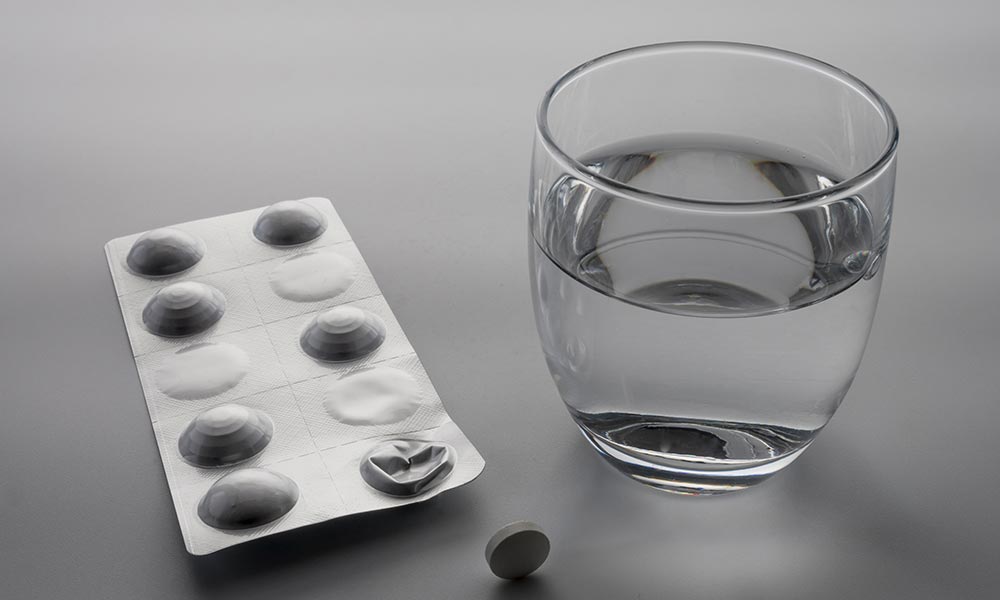
Clonazepam (brand name Klonopin) is in a class of sedative-hypnotic drugs called benzodiazepines. The oral tablet or liquid is a DEA Schedule IV controlled substance that has lower addiction potential than Schedule I to III, but still carries some risk. It requires a prescription from a healthcare provider. Like other benzodiazepines, it enhances the effects of gamma-aminobutyric acid or GABA, a chemical messenger in the brain. Clonazepam is used for seizure disorders and panic disorder, and is sometimes used off-label (non-FDA approved) to treat anxiety or insomnia.

Half-life refers to how long it takes your body to eliminate half of a drug dose. For clonazepam, this matters significantly because it affects how often you need to take the medication, how long it stays in your body, and important risks like drug accumulation, interactions with other substances, and withdrawal symptoms when discontinuing use.

Throughout this guide, you’ll learn about the clonazepam half-life, how this long half-life affects dosing schedules and the duration of effects, the factors that influence how quickly your body processes the medication, and practical considerations for safe use, tapering, and recovery.

What Is the Half-Life of Clonazepam and How Long Does It Stay in Your System?

A drug’s half-life is the time it takes for the concentration of that drug in your bloodstream to decrease by half. If you take a 2 mg dose of clonazepam, after one half-life passes, approximately 1 mg of the drug and its metabolites remains in your body. After another half-life, about 0.5 mg remains, and so on.

For clonazepam,  medical sources report an elimination half-life of approximately 30-40 hours in most adults [1]. However, some research indicates a broader range, between 18 and 60 hours [2], depending on individual factors. The brand name Klonopin has the same half-life as generic clonazepam since they contain the identical active ingredient.

How Long Does Klonopin Last in Your System?

Medical professionals generally use the “five half-lives rule” [1] to estimate when a drug is nearly completely eliminated from your body. If we use the average 30-40 hour half-life, five half-lives equal approximately 150-200 hours, or roughly 6-9 days. For individuals with longer half-lives (closer to the 60-hour range), complete elimination could take up to 12 days or more.

Single Dose Elimination Timeline:

  • After ~1.25 to 2 days (1 half-life): 50% of the drug remains
  • After ~2.5 to 3.5 days (2 half-lives): 25% remains
  • After ~3.5 to 5 days (3 half-lives): 12.5% remains
  • After ~5 to 7 days 4 half-lives): 6.25% remains
  • After ~6 to 9 days (5 half-lives): Less than 3% remains

The medication and its metabolites can be detected longer than you experience the therapeutic effects. Urine tests can detect clonazepam metabolites for up to 30 days in some cases, particularly with regular use.
Clonazepam Half-Life

Clonazepam Effects

Therapeutic Effects

Clonazepam is an oral benzodiazepine which helps reduce the frequency and intensity of seizures, alleviates acute anxiety and panic symptoms, and may aid in controlling muscle spasms. When used as directed, it can significantly improve daily functioning and quality of life for patients with these conditions.

Side effects

Common side effects of clonazepam include drowsiness, dizziness, fatigue, impaired coordination, and difficulty concentrating. Some individuals may also experience memory issues, blurred vision, or mood changes. Long-term use can lead to tolerance, dependence, and withdrawal symptoms if the medication is discontinued abruptly.

Effects of an overdose

An overdose of clonazepam can cause severe central nervous system depression (a slowing of activity in the brain and spinal cord), leading to extreme drowsiness, confusion, slowed breathing, loss of consciousness, and, in severe cases, coma or death—especially when combined with alcohol or opioids. Immediate medical attention is critical.

Misuse or unmonitored use of clonazepam significantly increases risk of an overdose, underscoring the grave dangers of dependency and drug interactions.

How Does Half-Life Affect Dosing and Duration of Effect?

Dosing Frequency and Accumulation

Because clonazepam has a 30-40 hour half-life, many patients take it once or twice daily rather than three or four times like shorter-acting benzodiazepines. The drug maintains therapeutic levels in your bloodstream for extended periods.

However, this long half-life also creates accumulation risk. If you take clonazepam more frequently than your body can eliminate it, the drug builds up in your system. Each new dose adds to what remains from previous doses, potentially leading to increased side effects, excessive sedation, or toxicity.

When you take clonazepam regularly, it reaches a “steady state” in the body after about five half-lives of regular dosing, typically one to two weeks.

Duration of Effect vs. Elimination

The duration of effect (how long you feel the medication working) differs from the elimination half-life. You might feel clonazepam’s anti-anxiety or sedative effects for 6-12 hours, but the drug remains in your system much longer. This means the medication continues affecting your body even when you don’t consciously feel it, and interactions with other substances remain possible as long as clonazepam is in your body.

The long half-life significantly affects how you feel when the drug is stopped.. Because clonazepam stays in your body for days after each dose, withdrawal symptoms may appear more gradually compared to a shorter-acting benzodiazepine drug. Tapering schedules must account for this extended elimination time.

Factors That Influence Clonazepam Half-Life

While 30-40 hours constitutes the average half-life, your individual half-life may differ significantly:

Age: Elderly individuals typically metabolize clonazepam more slowly, with half-lives potentially extending beyond 40 hours.

Liver Function: Liver disease or impairment significantly slows metabolism, extending the half-life and increasing accumulation risk. People with hepatic conditions may need lower doses.

Kidney Function: Impaired kidney function can affect overall clearance of metabolites.

Genetics: Genetic variations in drug-metabolizing enzymes, particularly CYP3A4 [1], influence how quickly you process clonazepam.

Body Weight and Composition: Body mass and fat distribution affect drug distribution and elimination. Clonazepam is fat-soluble and can accumulate in fatty tissue.

Drug Interactions: Many medications affect CYP3A4 activity. CYP3A4 inhibitors (like certain antifungals or antibiotics) slow clonazepam metabolism, extending its half-life.

This variability explains why the reported range spans 18-60 hours. Your half-life might be quite different from someone else’s.

Safety and Clinical Implications

Accumulation and Sedation Risk

The extended half-life means clonazepam can accumulate with regular use, potentially causing excessive sedation, cognitive impairment, motor coordination problems, and increased fall risk [4], particularly in elderly individuals.

Withdrawal and Tapering Considerations

Because clonazepam stays in your system for days, withdrawal symptoms typically appear more gradually than with shorter-acting benzodiazepines. Tapering must be done  [5], taking into account the long elimination time. Abrupt discontinuation is dangerous and can lead to seizures.

Detection in Drug Tests

Even after you stop feeling the effects of clonazepam, it remains detectable in drug tests. Blood tests can detect it for several days, urine tests for up to 30 days with regular use, saliva tests for 5-6 days, and hair tests for months.

Recovery and Sober Living Contexts

For people in recovery, clonazepam’s long half-life has special implications. Residual effects may impair your ability to fully engage in treatment activities. The medication can interact with other substances, creating dangers in any relapse situation. Tapering off clonazepam requires professional support.

Special Populations at Risk

Elderly individuals face higher risks of adverse effects of drug accumulation due to slower metabolism. People with liver impairment require careful monitoring and often lower doses. Combining clonazepam with opioids dramatically increases overdose risk and should be avoided. Pregnant or breastfeeding individuals need specialized medical guidance.

Practical Guidelines for Safe Use

If You’re Prescribed Clonazepam

Follow your dosing schedule precisely as prescribed. Be aware that even if you skip a dose, clonazepam from previous doses remains in your system. Avoid alcohol and any other central nervous system depressants. Report any excessive drowsiness, confusion, or coordination problems to your healthcare provider.

Monitoring Signs

Watch for signs of accumulation such as next-day drowsiness, cognitive slowing, motor coordination problems, or memory problems. If present, discuss  with your provider.

Take Your Next Step Toward Safe Medication Management

Understanding clonazepam’s half-life empowers you to use this medication more safely and effectively. Whether you’re taking clonazepam for a seizure disorder, panic disorder or anxiety, navigating tapering after long-term use, or supporting someone in their recovery journey, this knowledge helps you make informed decisions.

If you have concerns about your clonazepam use, withdrawal symptoms, or how the medication fits into your recovery, please reach out to a healthcare professional. Never attempt to stop benzodiazepines abruptly without medical supervision.

At Ikon Recovery, we understand the complexities of medication management in recovery. Our outpatient and partial care programs provide the flexibility and support you need while addressing substance use concerns. Our Dual Diagnosis Treatment recognizes that many people take medications like clonazepam for anxiety or other mental health conditions, and we help you find the right balance. Our Trauma Informed Care Program addresses underlying issues that may contribute to anxiety and medication dependence.

We meet you where you are, without judgment, and support you in building the life you deserve. Whether you need help tapering off benzodiazepines, managing co-occurring anxiety and substance use disorders, or simply understanding how your medications affect your recovery, we’re here for you.

You don’t have to navigate medication concerns alone. With proper support, medical guidance, and evidence-based treatment, you can safely manage or discontinue clonazepam while maintaining your mental health and recovery. Reach out today to learn how Ikon Recovery can support your journey toward wellness.