

Substances
How Long Does Percocet Stay in Your System?


Substances
Percocet usually clears from the bloodstream within about 24 hours, but drug tests can detect it longer. Oxycodone, the opioid in Percocet, can show up in blood for up to 24 hours, saliva for 1–2 days, urine for about 3–4 days, and hair for up to 90 days. Exact timing depends on dose, metabolism, liver and kidney function, and how often it is used.
Percocet typically remains in a person’s system for approximately one day. Even after it has left the bloodstream, Percocet can still be detectable by a drug test. The detection window will vary from approximately 2 to 90 days, depending on the type of drug test. While urine tests are the most common type of drug test, saliva tests and hair follicle tests are sometimes used for legal or employment purposes.
Failing a drug test or worrying about failing one could be a sign of an opioid addiction. A failed drug test can also compromise employment opportunities and result in possible legal consequences. If you’re taking Percocet without a prescription, it’s advisable to discontinue use well in advance of a drug screening, but opioids like oxycodone are typically not detectable after 3–4 days in urine and 90 days only in hair follicle tests. Opioid discontinuation may require the supervision of a medical professional to avoid serious withdrawal effects.
Percocet is a combination drug that contains both acetaminophen and oxycodone. Acetaminophen is an over-the-counter pain reliever and is the active ingredient in Tylenol. Oxycodone is a powerful opioid pain reliever available by prescription only.
Percocet is prescribed for the treatment of moderate to severe chronic pain. Because of its high potential for abuse and addiction, Percocet is only prescribed as a last resort when other non-narcotic pain relievers have failed. [1]
The DEA has classified Percocet as a Schedule II controlled substance, as are oxycodone and fentanyl; however, cocaine and methamphetamine are also Schedule II drugs, but they are not opioids. [2] Taking this medication without a prescription or using someone else’s prescription is a felony offense punishable by law.
Generally, Percocet will clear the body within 24 hours, but it can still be detectable by drug tests for much longer. When you’re tested for the presence of narcotics, the drug test looks for oxycodone, the opioid contained in Percocet. [3]
Immediate-release oxycodone has a half-life of 3.2 hours on average, so it should leave the body within about a day. [4] This can vary based on several individual factors, including the person’s weight, liver function, and genetics, among others.
These are two different timelines, and people often confuse them.
Effects: Immediate-release Percocet usually starts working within 10–30 minutes, and pain relief typically lasts about 3–6 hours.
Presence in the body: Oxycodone has an average half-life of roughly 3–4 hours. A drug is generally considered mostly eliminated after about 5 half-lives, which is why Percocet clears from the blood in about a day.
Detectability: Tests look for oxycodone and its metabolites, not the pain relief. That is why a drug test can still be positive days after the effects have worn off.
Even after Percocet has left the bloodstream, it can still be detectable by drug tests for a period of time, known as the detection window. The detection window for Percocet varies depending on the type of test.
The most commonly used test for opioids is a urine test. Opioids can be detected in urine for about 4 days since the last dose. Other types of drug tests, such as hair follicle and saliva tests, can detect Percocet for longer. In saliva, an opioid may be detectable for up to 2 days. The detection window for hair can be up to 90 days. [5]
| Test Type | What It Detects | Typical Detection Window |
| Blood test | Oxycodone and its metabolites | Up to about 24 hours |
| Saliva test | Oxycodone | About 1–2 days |
| Urine test | Oxycodone and metabolites (noroxycodone, oxymorphone) | About 3–4 days |
| Hair follicle test | Oxycodone and metabolites | Up to 90 days |
Detection windows are estimates. Frequent or long-term use, higher doses, and slower metabolism can extend them.
Not all drug tests check for prescription opioids like Percocet or Oxycodone, but many of them do. For example, many jobs with the federal government require an opioid screening prior to being hired.
Most of the drug tests used by employers and parole officers are urine tests. These tests can detect Percocet for around four days, but there may be factors that affect this detection window, such as: [6]
It depends on the panel. Many basic urine screens (such as a 5-panel test) check for “opiates” like morphine and codeine. Oxycodone is a semi-synthetic opioid, so it often is not caught unless the panel specifically includes oxycodone, usually listed as “oxycodone” or “semi-synthetic opioids”. Many expanded panels and most employer, probation, and clinical tests do include it.
The acetaminophen in Percocet is not part of standard drug panels, so tests focus on oxycodone.
If you have a valid prescription: Tell the testing facility before the test and bring your prescription or pharmacy record. Positive results are typically reviewed by a Medical Review Officer (MRO), who can verify a legitimate prescription with your prescriber.
Several individual factors change how quickly the body processes oxycodone:
Because of these variables, no one can guarantee exactly when Percocet will no longer be detectable for a specific person.
Failing a drug test could result in loss of job opportunities and legal consequences. To avoid these serious repercussions, it’s important to only take substances like opioid painkillers with a doctor’s prescription. If you do have a prescription for Percocet or another narcotic painkiller, it’s important to bring this prescription with you to the testing site. Ensure the lab has documentation of your prescription before administering any drug screening.
If you don’t have a prescription for Percocet, it’s best to stop taking it at least three months before a drug screening. If you’ve developed an opioid dependency, you may need to taper the drug under the guidance of a medical professional. Don’t stop taking it cold-turkey, as you may experience severe withdrawal effects.
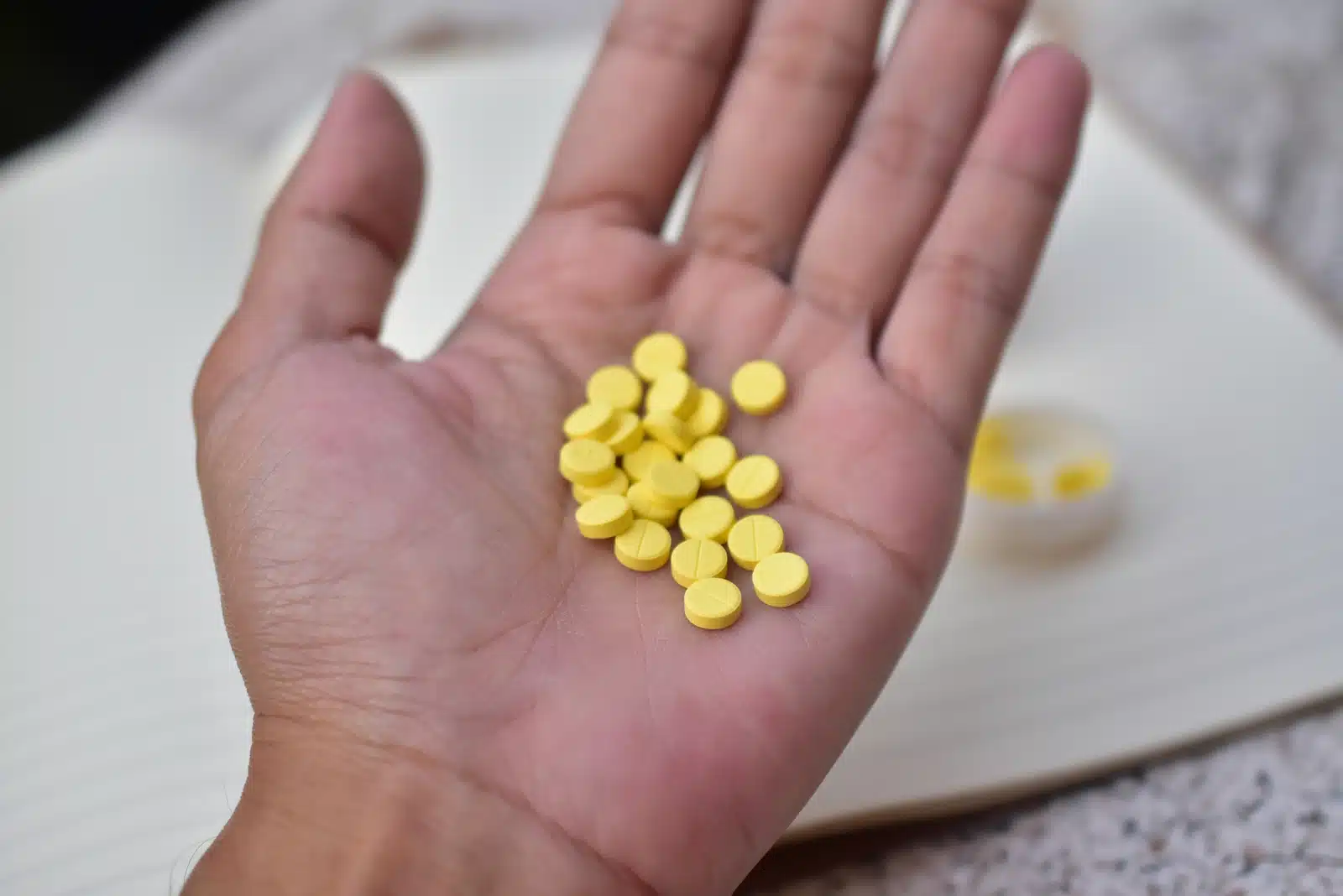 If you or a loved one fails a drug test (or is concerned about failing one), it could be a sign of addiction to Percocet, also known as opioid use disorder. Other signs of Percocet addiction may include: [7]
Becoming addicted to prescription painkillers like Percocet or other opioids poses many risks, and some of them are life-threatening. If you or a loved one is showing signs of opioid use disorder, it’s imperative to seek treatment. Some of the serious dangers of abusing opioids include: [8]
In addition to these serious health risks, a substance use disorder, such as an opioid addiction, can also interfere with other aspects of a person’s life. Opioid use disorder can cause poor performance at work, job loss, and relationship problems. Since the drug is illegal to use without a prescription, addiction to opioids can also lead to serious legal trouble.
Percocet combines an opioid with acetaminophen, so an overdose can affect both breathing and the liver.
Opioid overdose warning signs:
What to do:
Acetaminophen risk: Too much acetaminophen can cause serious liver damage, sometimes without early symptoms. Avoid taking additional acetaminophen products (like Tylenol or cold medicines) while on Percocet unless a doctor approves.
Counterfeit pill warning: Pills sold as “Percocet” outside a pharmacy may be counterfeit and can contain fentanyl. A standard oxycodone test will not detect fentanyl.
People who have used Percocet regularly may develop physical dependence. Stopping suddenly can cause opioid withdrawal, which is very uncomfortable but is managed more safely with medical support.
| Timeframe After Last Dose | What May Happen |
| 8–24 hours | Anxiety, restlessness, sweating, muscle aches, runny nose, yawning |
| 1–3 days | Symptoms often peak: nausea, vomiting, diarrhea, stomach cramps, chills, goosebumps, insomnia, strong cravings |
| 4–7 days | Physical symptoms start to ease |
| 1–2+ weeks | Fatigue, low mood, sleep problems, and cravings may linger (sometimes called protracted withdrawal) |
Timelines vary by dose, how long someone used Percocet, and individual health.
Important: After a period without opioids, tolerance drops. Returning to a previous dose can cause a fatal overdose. Medically supervised detox and medications for opioid use disorder (MOUD) can reduce withdrawal symptoms, cravings, and relapse risk.
Consider reaching out to a medical or addiction professional if you:
Treatment for opioid use disorder is effective, and it can include medically supervised detox, medication for opioid use disorder, behavioral therapies, and aftercare support. At IKON Recovery in Saddle Brook, New Jersey, our team offers a range of levels of care, from detox placement to intensive outpatient and medication-assisted treatment.
Call IKON Recovery at (844) 394-4566 or contact us online for a confidential conversation.
If you or someone you know is in crisis, call or text 988. For free treatment referrals, SAMHSA’s National Helpline is available 24/7 at 1-800-662-4357.
[1] Percocet: Uses, dosage, side effects & warnings. Drugs.com. (n.d.-l). https://www.drugs.com/percocet.html
[2] Drug scheduling. DEA. (n.d.-a). https://www.dea.gov/drug-information/drug-scheduling
[3][4][5][6][9][10] How long does percocet stay in your system?. Drugs.com. (n.d.-g). https://www.drugs.com/medical-answers/long-percocet-stay-system-3572644/
[7] Mayo Foundation for Medical Education and Research. (2024a, January 19). Is someone you love using opioids illegally or not as prescribed?. Mayo Clinic. https://www.mayoclinic.org/diseases-conditions/prescription-drug-abuse/in-depth/how-to-tell-if-a-loved-one-is-abusing-opioids/art-20386038
[8] U.S. Department of Health and Human Services. (2025i, April 28). Opioids. National Institutes of Health. https://nida.nih.gov/research-topics/opioids#health-risks

© 2026 IKON Recovery.
Licensed by the State Department of Healthcare Services, License 2000964. Expiration 11/30/2026
All Rights Reserved. | Privacy Policy | Terms & Conditions