Opioid Addiction
Can You Overdose on Xanax?


Opioid Addiction
Xanax can be dangerous in high doses, especially when mixed with alcohol or other drugs that slow down your breathing and heart rate. Many people don’t realize how quickly tolerance builds with this medication, leading them to take increasingly larger amounts to feel the same calming effects. An overdose can happen accidentally or intentionally, and knowing the warning signs could mean the difference between life and death in a crisis.
Yes. A Xanax (alprazolam) overdose can happen when someone takes more than prescribed or mixes it with alcohol, opioids, or other sedatives. Overdose from Xanax alone is less often fatal, but combining it with other depressants can slow breathing to dangerous levels. If you suspect an overdose, call 911 immediately. For poison guidance, call Poison Control at 1-800-222-1222.
Xanax is the brand name for alprazolam, a prescription medication that belongs to a class of drugs called benzodiazepines.[1] This medication works by enhancing the effects of a neurotransmitter called GABA in your brain, which naturally helps calm nerve activity and reduce excessive brain stimulation. Xanax comes in various forms, including immediate-release tablets, extended-release tablets, and liquid solutions, with dosages typically ranging from 0.25 mg to 2 mg per tablet.
The medication acts quickly in your system, typically taking effect within 15 to 30 minutes after administration, with peak effects occurring approximately one to two hours later.[2]
Xanax has a relatively short half-life compared to other benzodiazepines, meaning it leaves your system faster but may also lead to more frequent dosing throughout the day. The drug affects your central nervous system by slowing down brain activity, which can significantly impact your coordination, memory, and decision-making abilities while it’s active in your body.
Healthcare providers prescribe Xanax for conditions where excessive anxiety or nerve activity interferes with daily functioning and quality of life:[3]
Yes, you can overdose on Xanax, though fatal overdoses from Xanax alone are relatively uncommon.[4] The danger increases significantly when Xanax is combined with other substances that depress the central nervous system, particularly alcohol, opioids, or other benzodiazepines. These combinations can cause your breathing and heart rate to slow to dangerous levels, potentially leading to coma or death.
Xanax overdose symptoms include extreme drowsiness, confusion, slurred speech, loss of coordination, slow or shallow breathing, and loss of consciousness. The risk of overdose is higher for people who have built up tolerance to the medication, elderly individuals, those with liver or kidney problems, and anyone mixing Xanax with other depressant substances. Even taking prescribed doses can become dangerous if you drink alcohol or take other medications that interact with benzodiazepines.
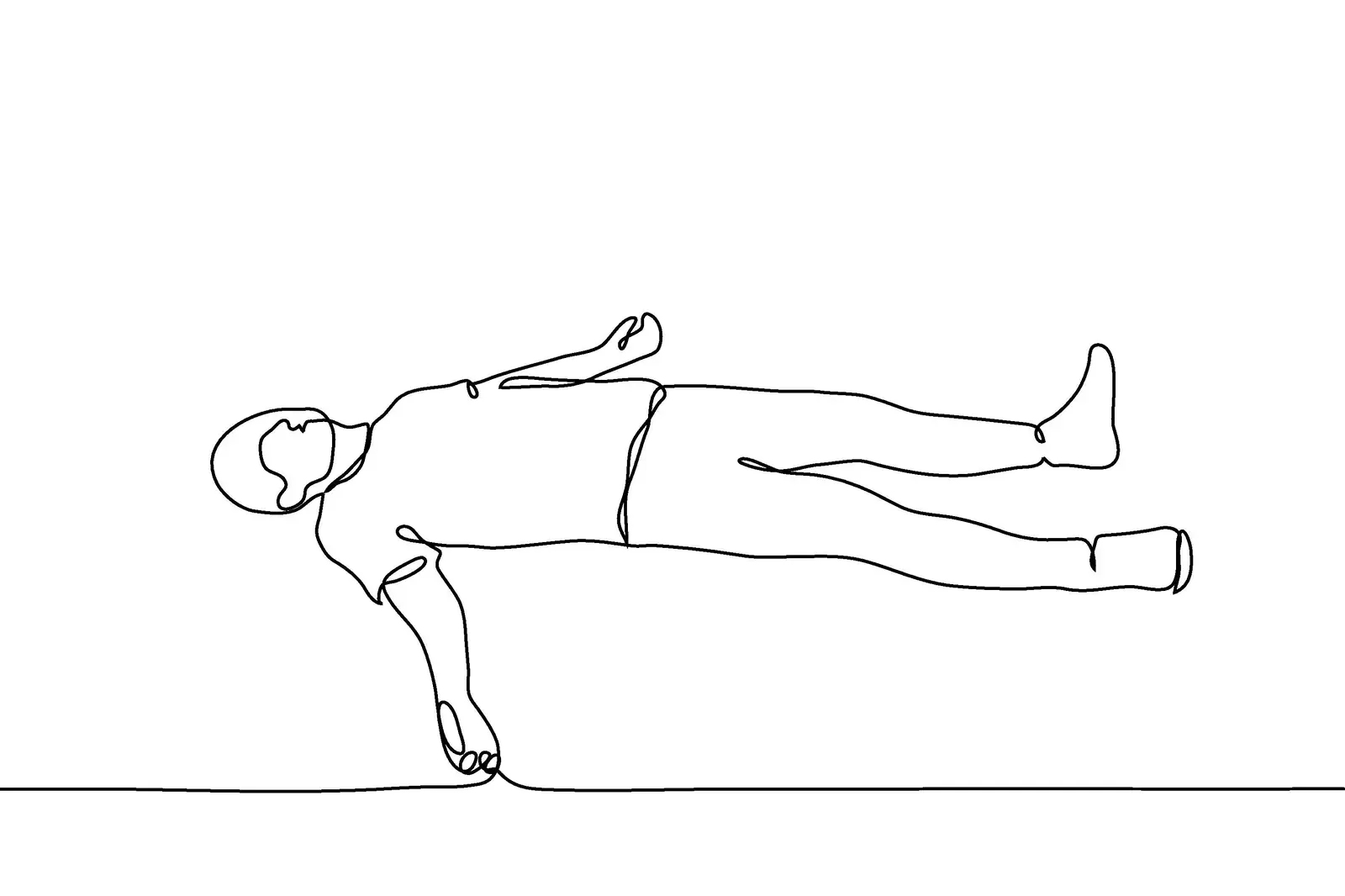
If you suspect someone has overdosed on Xanax, call emergency services immediately. Quick medical intervention can reverse the effects using medications like flumazenil, but professional medical care is essential for monitoring breathing, heart function, and other vital signs during the recovery process.
Xanax overdose risk isn’t the same for everyone. Several factors can make a dose that seems routine far more dangerous:
Recognizing the signs of a Xanax overdose can help you get life-saving medical help quickly, as symptoms can progress rapidly:[5]
Not every pill sold as Xanax is Xanax. The DEA has warned that counterfeit pills made to look like prescription medications are widely sold, and many contain fentanyl or other unpredictable substances. These pills are often sold on social media or by street dealers, and they can look identical to the real thing.
Because a counterfeit pill’s contents and strength are unknown, even one pill can cause a fatal overdose, especially in someone with no opioid tolerance. The only safe source of alprazolam is a prescription filled at a licensed pharmacy.
Call 911 immediately if you suspect someone has overdosed on Xanax — don’t wait to see if symptoms improve on their own. Time is critical in overdose situations, and professional medical intervention can be the difference between life and death. While waiting for emergency responders, stay with the person and try to keep them awake and responsive by talking to them or gently shaking their shoulders.
If the person is unconscious but breathing, place them in the recovery position on their side to prevent choking if they vomit. Never leave someone alone during a suspected overdose, and don’t try to make them vomit or give them food or drinks. Gather any medication bottles or substances they may have taken to show the paramedics, as this information helps medical professionals provide the most effective treatment.
Be honest with emergency responders about what substances the person took, including any alcohol or other drugs mixed with Xanax. Medical professionals need accurate information to provide proper care, and they’re focused on saving lives, not judging anyone’s drug use.[6] Stay calm and provide clear answers about when symptoms started, what medications were involved, and any changes you’ve noticed in the person’s condition.
Naloxone (Narcan) reverses opioid overdoses and does not reverse a benzodiazepine overdose on its own. However, because counterfeit pills can contain fentanyl, responders often give naloxone anyway when opioids may be involved. It is safe to give and can save a life. Always call 911 first, even if you give naloxone.
Treatment is mainly supportive: monitoring breathing, oxygen, heart rate, and blood pressure, with airway support if needed. Flumazenil can reverse benzodiazepine effects, but it is used cautiously in hospitals because it can trigger seizures in people who are physically dependent. Never try to give it or any “antidote” at home.
Follow your doctor’s exact dosing instructions and never take more Xanax than prescribed, even if you feel like it’s not working well enough. Your body builds tolerance to this medication quickly, which might make you think you need higher doses, but increasing the amount on your own significantly raises your overdose risk. Take Xanax exactly as directed and talk to your healthcare provider if you feel like you need dosage adjustments.
Never mix Xanax with alcohol or other drugs that slow down your central nervous system. This combination is extremely dangerous and accounts for most serious Xanax overdoses. Even small amounts of alcohol can amplify Xanax’s effects and lead to breathing problems or unconsciousness.
Store your medication securely and keep track of how many pills you have left. Don’t share Xanax with friends or family members, as the dosage that works for you could be dangerous for someone else. Dispose of unused pills properly through pharmacy take-back programs rather than keeping them at home.
Tell your doctor about all other medications you’re taking, including over-the-counter drugs and supplements, since many substances can interact with Xanax. Regular check-ins with your healthcare provider help ensure the medication remains safe and effective for your specific situation. If you want to stop taking Xanax, work with your doctor to taper off gradually rather than quitting suddenly, as abrupt discontinuation can cause dangerous withdrawal symptoms.
Taking Xanax regularly, even as prescribed, can lead to physical dependence. Warning signs of a developing problem include:
Do not stop Xanax suddenly. Benzodiazepine withdrawal can cause seizures, severe anxiety, and other dangerous symptoms. A medically supervised taper is the safest way to stop.
If you or someone you love is struggling, IKON Recovery offers benzodiazepine addiction treatment, medically supervised detox placement, and dual diagnosis care for people with co-occurring anxiety or depression. Call (844) 394-4566 for a confidential conversation. You can also reach the SAMHSA National Helpline at 1-800-662-4357 (free, 24/7).
[1, 2] Cleveland Clinic. (n.d.). Xanax (Alprazolam): Interactions & Side Effects. Cleveland Clinic. https://my.clevelandclinic.org/health/drugs/19498-alprazolam-tablets on August 28, 2025
[3] Durbin, K. (2019). Xanax. Drugs.com; Drugs.com. https://www.drugs.com/xanax.html on August 28, 2025
[4] Isbister, G. K., O’Regan, L., Sibbritt, D., & Whyte, I. M. (2004). Alprazolam is relatively more toxic than other benzodiazepines in overdose. British Journal of Clinical Pharmacology, 58(1), 88–95. https://pmc.ncbi.nlm.nih.gov/articles/PMC1884537/ on August 28, 2025
[5] Kang, M., & Ghassemzadeh, S. (2020). Benzodiazepine Toxicity. PubMed; StatPearls Publishing. https://www.ncbi.nlm.nih.gov/books/NBK482238/ on August 28, 2025
[6] Benzodiazepine Toxicity Treatment & Management: Approach Considerations, Prehospital Care, Flumazenil. (2021). EMedicine. https://emedicine.medscape.com/article/813255-treatment on August 28, 2025

© 2026 IKON Recovery.
Licensed by the State Department of Healthcare Services, License 2000964. Expiration 11/30/2026
All Rights Reserved. | Privacy Policy | Terms & Conditions