

Substances
Does NyQuil Make You Sleepy? Side Effects and Safety Considerations


Substances
NyQuil by Vicks is one of the most popular and common over-the-counter medications intended to be used at night. People reach for it when they’re up against the flu, a cold, or just a cough one of the kids brought home. It’s distinctly marketed for nighttime use and is known for helping users get a better rest while dealing with symptoms like a sore throat, congestion, and coughing. Some users wonder if it’s the medicine making them drowsy, though, or if it’s just giving them enough symptom relief to allow them to find sleep on their own.
The answer is actually best illustrated by the active ingredients found in different NyQuil products. Some do absolutely have a sedative effect, while others are just there to help provide some relief from discomfort. Knowing the differences and understanding what’s in the various formulations can be helpful in clarifying why it causes drowsiness and why it should be used carefully, especially when it’s combined with prescription medications or pre-existing conditions.
Nyquil makes you sleepy primarily due to the sedating antihistamine doxylamine succinate.
NyQuil contains a combination of active ingredients designed to relieve common cold and flu symptoms.[1] While not every component is sedating, this one ingredient in particular is responsible for the drowsiness often associated with NyQuil use.
Some versions of NyQuil, like NyQuil Severe, may include phenylephrine, a decongestant. Unlike doxylamine, it can sometimes cause wakefulness or jitteriness, which means not every formulation produces the same level of drowsiness.
NyQuil typically makes you feel sleepy within 30 minutes of taking it, as its active ingredient, doxylamine succinate, is a sedating antihistamine designed to help you rest while relieving cold and flu symptoms.
Yes, NyQuil can make you drowsy the next day, often called a “hangover effect,” especially if taken late, at a higher dose, or if you have a slower metabolism, due to ingredients like doxylamine which has a long half-life and can linger in your system, causing grogginess even after several hours of sleep.
The useful effects of NyQuil come directly from the way the active ingredients act on the various systems of the body. The most potent sedative effects come from the ingredient doxylamine succinate, which is an antihistamine. Histamine is a chemical that is associated with allergic reactions. So when histamine is blocked, symptoms like a runny nose and sneezing are reduced, but a sense of drowsiness is also created. This effect is why the original formulation of NyQuil is typically only taken at nighttime.
Dextromethorphan is another active ingredient, and its purpose is to suppress the cough center of the brain, lowering the urge to cough. It won’t make you very sleepy, but sometimes all you need to do is stop coughing for 5 or 10 minutes to be able to fall asleep.
Acetaminophen is part of the usual formulations as well, acting as the primary pain reliever and fever reducer. Lowering discomfort from fever, headache, or body aches can help improve sleep. Keeping them away can help extend the amount of restful sleep you get.
For most people, NyQuil causes noticeable drowsiness because of its antihistamine content. Doxylamine succinate is classified as a first-generation antihistamine, a group well known for its sedative properties. This sedative effect is short-term but strong enough to help people fall asleep even when they feel congested or restless. For many, it is the reason NyQuil feels like a sleep aid, though that is not its intended use.
Individual sensitivity plays a big role, too. One person might find that it only affects them mildly, while another might find themselves ready for bed a few minutes after their first dose. Versions that contain additional decongestants, such as phenylephrine, can sometimes counteract drowsiness by increasing alertness, making them harder to predict.
Like all over-the-counter medications, NyQuil can cause side effects; there’s just no getting around it. Most are mild and temporary, but some can be serious if they’re misused or combined with other substances.
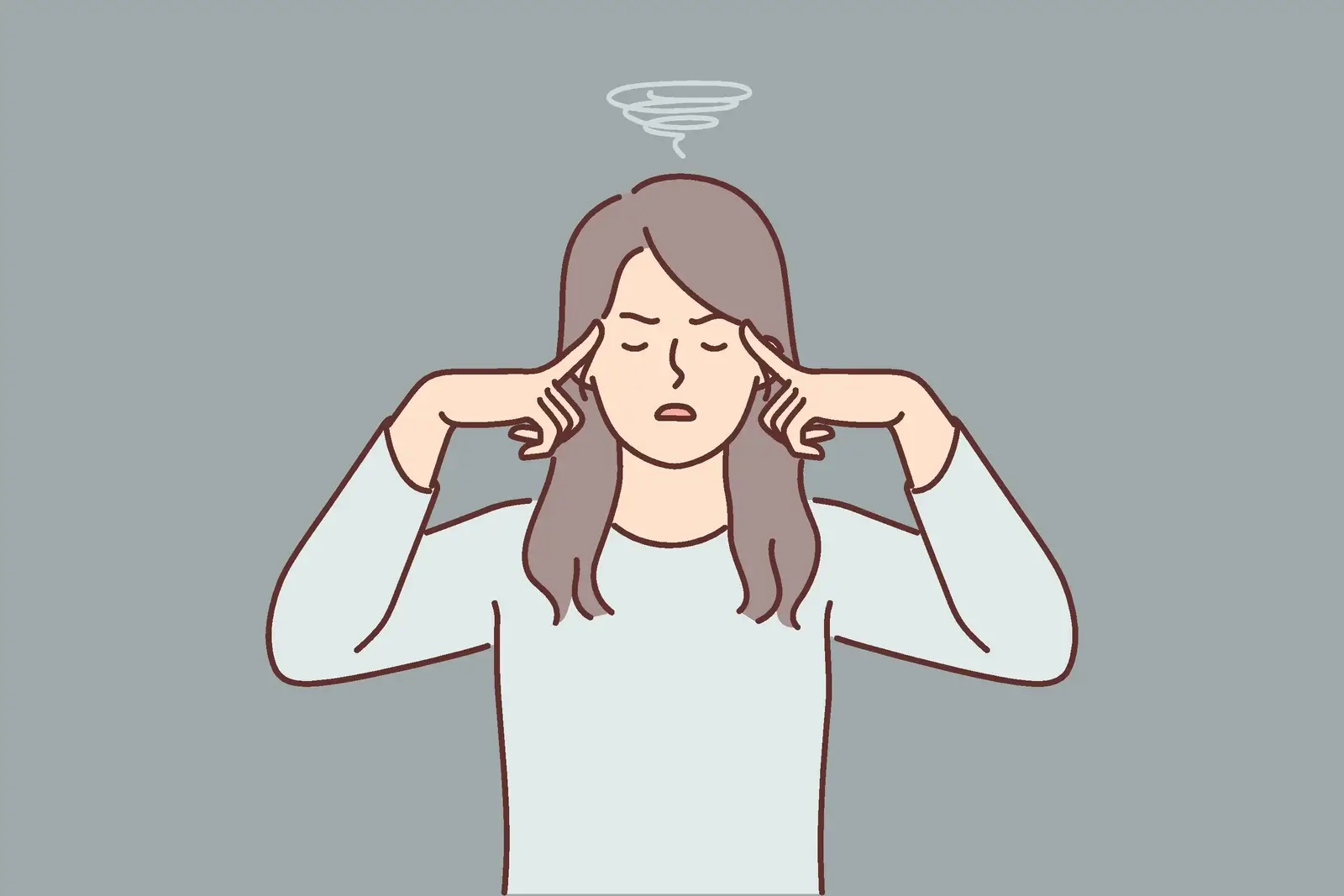
Common side effects include drowsiness, dizziness, and dry mouth. Some people may also feel groggy the next day if the medication is taken too late at night or at a higher dose than recommended. Because doxylamine is sedating, it can impair alertness and coordination, which is why driving or operating machinery after taking NyQuil is unsafe.
Serious side effects can occur if NyQuil is misused. Acetaminophen, one of its main ingredients, can cause severe liver damage when taken in high doses or when combined with alcohol. Dextromethorphan, the cough suppressant, can interact with certain antidepressants or other medications, sometimes leading to dangerous reactions.
People with medical conditions such as high blood pressure, glaucoma, asthma, or liver disease should consult a healthcare provider before taking NyQuil. Pregnant or breastfeeding women are also advised to seek medical advice before use, as some ingredients may pose risks. While NyQuil can provide relief for cold and flu symptoms, it is important to follow dosage instructions carefully and be mindful of potential interactions.
The typical adult dose timing of NyQuil is at bedtime, and going over this dosage or taking the medicine more frequently can mean a significantly increased risk of serious side effects.[5] This is particularly true for the risk of liver damage or long-term hepatic injury from acetaminophen.
Do not mix NyQuil with any other medications that may cause drowsiness, which can drastically magnify the sedative effects and the associated safety risks. The same goes for anyone taking prescription drugs, especially antidepressants, anti-anxiety medications, or blood pressure medication.
NyQuil is meant for adults, so children and teens should only take it at the direction of a trusted healthcare provider. Older adults should also be cautious during use, since the doxylamine can cause drowsiness and confusion, which could lead to dangerous falls.
Even though NyQuil can be effective for nighttime cold and flu relief, some people prefer alternatives that do not rely on sedating medications. Non-medication strategies include getting plenty of rest, drinking fluids, and using a humidifier to ease congestion. Reducing blue light exposure before bed can also improve sleep quality naturally.
For those looking for a more gentle before-bed aid, herbal teas with chamomile or peppermint may provide relaxation. Supplements like melatonin or magnesium can sometimes help improve sleep, though they should be used with guidance from a healthcare provider.
During the day, DayQuil is marketed as a non-drowsy alternative. It contains some of the same active ingredients as NyQuil, minus the sedating antihistamine, making it better suited for use while working or driving.
NyQuil often causes drowsiness because of its sedating antihistamine ingredient, doxylamine. This makes it incredibly effective as a nighttime cold and flu remedy, but it also means that if you use it, you’ll need to pay close attention to dosage and timing.
When you use it as directed, NyQuil can provide much-needed rest when you’re under the weather. That said, when it’s misused or mixed with other sedatives like alcohol, it can lead to serious health risks.
Knowing exactly how it works can help you use it more safely and find useful alternatives when needed. Always remember that if you find yourself taking it more often than recommended, or depending on it to sleep, it may be time to reach out for professional help to reduce usage or frequency.
[1][5] National Institutes of Health. (n.d.). Vicks ® NyQuil™ Cold & Flu. U.S. National Library of Medicine. https://dailymed.nlm.nih.gov/dailymed/fda/fdaDrugXsl.cfm?setid=330d42da-5041-3059-e063-6394a90a2d55
[2] Gerriets, V. (2024, January 11). Acetaminophen. StatPearls [Internet]. https://www.ncbi.nlm.nih.gov/sites/books/NBK482369/
[3] Oh, S. (2023, May 22). Dextromethorphan. StatPearls [Internet]. https://www.ncbi.nlm.nih.gov/books/NBK538216/
[4] Brott, N. R. (2023, June 5). Doxylamine. StatPearls [Internet]. https://www.ncbi.nlm.nih.gov/books/NBK551646/

© 2026 IKON Recovery.
Licensed by the State Department of Healthcare Services, License 2000964. Expiration 11/30/2026
All Rights Reserved. | Privacy Policy | Terms & Conditions