Substances
Gabapentin Overdose: Signs, Symptoms, Risks & What to Do


Substances
Gabapentin is a prescription medication in the class of anticonvulsants and treatments for neuropathic pain conditions like postherpetic neuralgia or fibromyalgia. Gabapentin is prescribed primarily for the treatment of seizures, nerve pain, and other off-label uses. Under proper prescribing practices, gabapentin is considered safe. But still, some people are curious to know if gabapentin can cause an overdose in them.
It is also possible for a person to suffer from a gabapentin overdose due to taking too much gabapentin, either unintentionally or if they mix it with other depressants [1] like alcohol, opioids, or benzodiazepines. A gabapentin overdose can have mild to severe effects, ranging from sleepy/drowsy effects to having trouble breathing to losing consciousness.
Gabapentin has been approved for several uses; however, doctors may also write off-label prescriptions for gabapentin for conditions that are not approved by the U.S. Food and Drug Administration (FDA). Gabapentin was initially developed as a medication for epilepsy, which is still used today for people with epilepsy. Gabapentin is also commonly prescribed to help relieve nerve pain [2] from conditions such as diabetic nerve pain and shingles. The off-label uses of gabapentin include treating anxiety, RLS (restless leg syndrome), and other chronic pain conditions.
Many individuals have successfully treated these conditions using gabapentin; however, these benefits can become problematic when individuals take excessive amounts of gabapentin over the recommended dose from the prescribing doctor or when the medication is taken alongside other depressant medications [3] or drugs.
Although gabapentin is not classified as an opioid, if taken in large doses, gabapentin can affect a person’s breathing, alertness, coordination, and mental function.
Yes, a person can die from an overdose of gabapentin. While overdosing on gabapentin is less common than overdosing on other substances, an overdose of gabapentin can be potentially deadly.
There are three ways a person may experience an overdose from gabapentin:
So, when someone asks the question, “Can you die from either taking too much gabapentin or is gabapentin dangerous to use?” The answer depends on the amount taken, the person’s health status, and any other substances taken in combination.
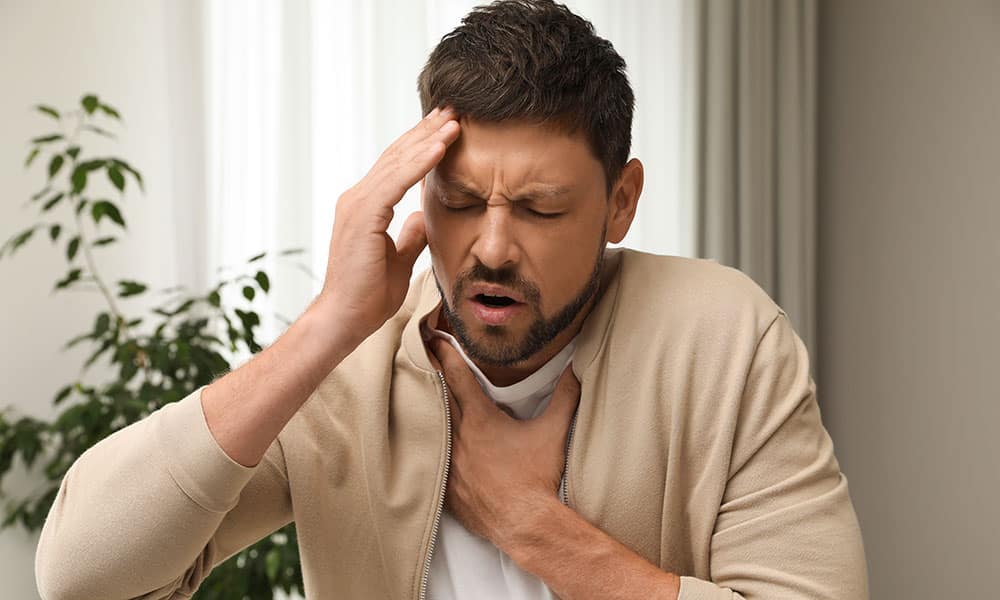
Gabapentin overdoses occur when large amounts of gabapentin overwhelm the body’s ability to eliminate the medication. A large amount of gabapentin in the body causes the central nervous system to slow down, eventually resulting in impaired awareness, slowed breathing [5], sedation, and loss of consciousness.
Several factors increase the likelihood that a person will experience an overdose:
Due to the many variables related to how gabapentin is absorbed, it is impossible to predict for any individual the specific amount of gabapentin that will cause an overdose. This lack of predictability makes abusing gabapentin [6] a hazardous activity.
Since an individual can live through a gabapentin overdose, it is essential to recognize any early signs and symptoms of an overdose of gabapentin. When gabapentin is used with it or is in the body with other CNS depressants [1], the signs and symptoms of life or death can be much more pronounced.
A person suffering from an overdose of gabapentin may display some of the following early signs or symptoms:
Some potentially severe (or life-threatening) symptoms may indicate that the person is in the process of collapsing or suffering from a life-threatening event [4]:
Anytime a person shows severe symptoms associated with a drug overdose, it is considered a medical emergency.
There is not one test that identifies a gabapentin overdose; therefore, medical professionals use clinical judgment, the report of ingestion, and the physical findings of the patient.
Medical professionals evaluate the patient’s vital signs [3], including breathing rate, heart rate, blood pressure, and oxygen saturation. In addition, blood tests may be performed to monitor kidney function and possibly rule out the presence of other drugs. Since there is no specific antidote for gabapentin, medical professionals focus on identifying and treating symptoms and supporting the patient until they recover.
It is essential to take action quickly if you believe someone has overdosed on gabapentin.
If the person has exhibited any of the severe symptoms, such as difficulty breathing, is unconscious, has had seizures, or has bluish lips [2], you should call 911 (or emergency services) immediately. If the symptoms are not as severe but you feel they are worrisome, please contact Poison Control immediately at 1-800-222-1222.
While waiting for help to arrive:
Do not wait for symptoms to go away. Overdose symptoms can worsen very rapidly.
Treatment for a gabapentin overdose consists of providing supportive care. At the emergency room, the medical staff may supply the patient with oxygen, provide airway support, give intravenous fluids, and check vitals [5] continuously while treating the patient for an overdose.
If a patient is still within the timeframe to use activated charcoal to reduce absorption of oral medication, it may be used in conjunction with the other treatments mentioned above. In extremely high overdoses [6], we may need to use hemodialysis to remove gabapentin from the body, especially when the person has impaired kidney function.
As there is no reversal agent for gabapentin, the person must be closely monitored until their symptoms stabilize and they have cleared gabapentin.
Certain factors can make a gabapentin overdose more severe.
By recognizing these risk factors and being aware of your own and your loved ones’ risks, you may make better, safer decisions in the future.
The best way to prevent a gabapentin overdose is to follow safe medication practices:
If someone is risking misusing or taking gabapentin, seek out professional assistance [5] to reduce the chances of harm related to misuse and help them recover.
At Ikon in Saddle Brook, NJ, we genuinely understand the intersection of prescription medications and mental health, trauma, and addiction. Recovery from substance use is more than just stopping the substance. Recovery means healing the whole person through comprehensive, evidence-based treatment approaches.
[1] Drug Enforcement Administration. (2024). Depressants Drug Fact Sheet. https://www.dea.gov/sites/default/files/2025-01/Depressants-2024-Drug-Fact-Sheet.pdf
[2] Mayo Clinic. (2023). Gabapentin (Oral Route): Side Effects & Dosage. https://www.mayoclinic.org/drugs-supplements/gabapentin-oral-route/description/drg-20064011
[3] Yasaei, R., Katta, S., & Saadabadi, A. (2023). Gabapentin. StatPearls Publishing. https://www.ncbi.nlm.nih.gov/books/NBK493228/
[4] University of Utah Health. (2019). Gabapentin and Pregabalin May Increase Risk of Respiratory Depression. https://pharmacyservices.utah.edu/alerts/2019/12/gabapentin-and-pregabalin-may-increase-risk-of-respiratory-depression
[5] Buttram, M. E., & Kurtz, S. P. (2020). Descriptions of Gabapentin Misuse and Associated Behaviors. PubMed Central. https://pmc.ncbi.nlm.nih.gov/articles/PMC7858688/
[6] Drug Enforcement Administration. (2025). Gabapentin (Trade Name: Neurontin) Drug Fact Sheet. https://www.deadiversion.usdoj.gov/drug_chem_info/gabapentin.pdf

© 2026 IKON Recovery.
Licensed by the State Department of Healthcare Services, License 2000964. Expiration 11/30/2026
All Rights Reserved. | Privacy Policy | Terms & Conditions