Recovery
Sober Activities in New Jersey: Inspiring, Substance-Free Things To Do

Recovery
If you’re building a life in recovery, you might wonder whether your home state can truly support the kind of vibrant, fulfilling sober lifestyle you’re hoping to create. We’re here to tell you that New Jersey is an exceptional place for sober activities, and we want you to feel encouraged about the possibilities ahead.
One of New Jersey’s greatest strengths is its remarkable geographic diversity. Despite being one of the smallest states in the country, New Jersey packs an incredible variety of landscapes into its borders. Within an hour or two, you can travel from stunning beaches along the Atlantic coast to dense forests in the northwest, from peaceful lakes and rivers to the dramatic views of the Palisades. This diversity means you have endless options for sober activities in New Jersey, no matter what environment speaks to you.
New Jersey has cultivated a robust and welcoming recovery community. Throughout the state, you’ll find sober-friendly events, organized meetups, and networks of people committed to alcohol-free living. Organizations host regular gatherings, from beach cleanups to sober social events, creating opportunities to connect with others who understand your journey. Platforms like Meetup feature numerous groups dedicated to sober socializing, including fitness clubs, hiking groups, and social gatherings specifically designed for people in recovery.
New Jersey isn’t just about nature. The state’s urban areas offer rich cultural experiences and nightlife alternatives that don’t revolve around alcohol. Cities like Jersey City, Hoboken, and Newark feature thriving arts scenes, diverse food cultures, comedy clubs, live music venues, and coffee shop communities where you can socialize without pressure to drink. Recovery doesn’t mean isolating yourself. It means finding ways to engage with the world that align with your values and support your health.
Perhaps most importantly, New Jersey offers options that work for different budgets, energy levels, and stages of recovery. Early in your journey, you might need quiet activities, such as solo nature walks or small support group gatherings. As you build confidence, you might branch out to organized group hikes or sober festivals. New Jersey accommodates all of these needs, ensuring that meaningful sober activities are accessible regardless of your situation.
Now let’s explore the specific recovery-friendly activities New Jersey offers, organized by activity type to help you find options that match your interests.
Nature offers profound healing benefits for people in recovery. Time outdoors reduces stress, improves mood, and provides healthy ways to challenge yourself physically and mentally.
New Jersey boasts an impressive network of hiking trails suitable for all skill levels. The state’s hiking clubs organize regular group outings, providing both the physical benefits of hiking and the social support of the community. Popular trails include High Point State Park, offering panoramic views from New Jersey’s highest elevation; Ramapo Mountain State Forest, featuring diverse terrain and beautiful lake views; and Wharton State Forest in the Pine Barrens. Group hikes combine exercise with sober socializing, making them ideal for building new friendships based on healthy activities.
The Jersey Shore offers some of the most peaceful and restorative sober activities in New Jersey, especially during off-peak hours or seasons. Shore-side sober fun includes morning beach walks as the sun rises, sunrise swims that invigorate body and spirit, beach yoga sessions hosted by local studios or recovery organizations, and evening boardwalk strolls during sunset. Organizations regularly organize beach-based activities specifically for people in recovery.
New Jersey’s extensive state park system provides countless opportunities for outdoor recreation. These spaces are perfect for picnics with sober friends or family, nature photography, birdwatching and wildlife observation, meditation in beautiful natural settings, and camping trips that build confidence. State parks offer both solitude when you need it and community when you want it.
For those seeking more active pursuits, New Jersey’s lakes, rivers, and coastal waters provide excellent opportunities. Kayaking and canoeing on the Delaware River or in the Pine Barrens, paddleboarding at local lakes, and group outdoor trips organized by sober communities challenge you physically while connecting you with nature and supportive communities.
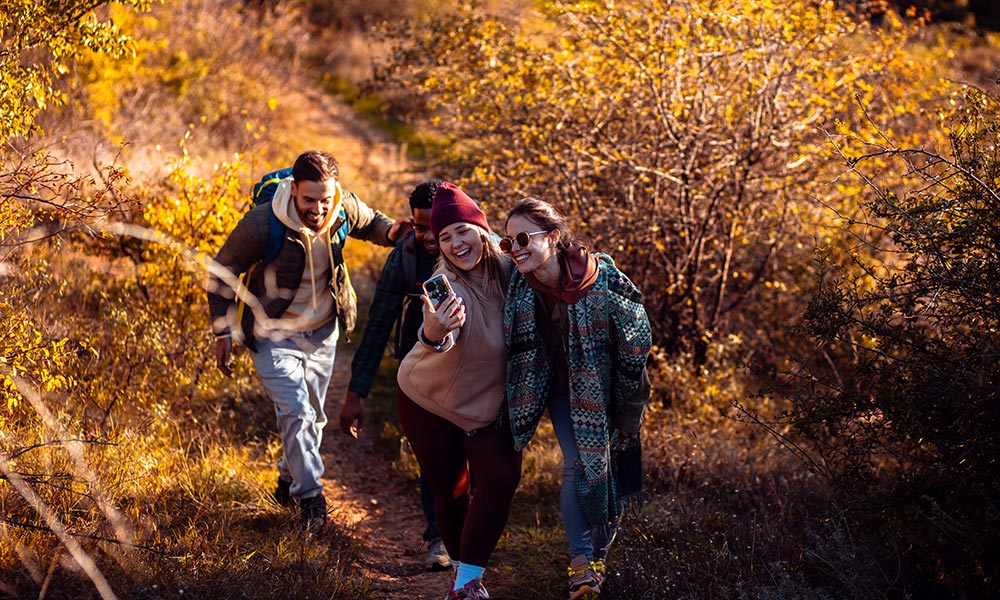
Building a sober social life is crucial for long-term recovery. New Jersey’s recovery community offers numerous ways to connect with others who share your commitment to sobriety.
Throughout New Jersey, you’ll find fitness and wellness activities designed specifically for people in recovery. Recovery-focused yoga classes combine physical movement with mindfulness, sober dance classes offer fun social experiences, and group fitness sessions through organizations like The Phoenix provide free fitness programming. These activities improve your physical health, teach stress-management techniques, and connect you with others who understand the recovery journey.
The growing “sober curious” movement has led to more alcohol-free events throughout New Jersey. Sober music festivals and concerts, daytime art and cultural festivals, recovery celebration events marking sobriety milestones, and holiday gatherings organized by recovery communities prove that you can have exciting social experiences without substances.
New Jersey has numerous organizations dedicated to sober socializing. Groups like SoberFun host regular events including game nights and trivia competitions, restaurant outings and food adventures, movie nights and cultural excursions, and volunteer projects. These organizations provide structured opportunities to build friendships based on shared interests.
Not every day will be a high-energy adventure day. Recovery includes honoring your need for gentler activities.
New Jersey’s cultural institutions offer enriching, alcohol-free environments. Newark Museum of Art, Liberty Science Center in Jersey City, with interactive exhibits, and Grounds for Sculpture in Hamilton, provide intellectual stimulation and peaceful environments where you can spend time alone or with sober companions.
New Jersey is known for its diners and diverse foodie landscape. Enjoying this variety of cuisine is just another benefit of being sober. Sober individuals can enjoy the culinary scene through diner tours, ethnic food experiences across different neighborhoods, socializing in coffee shops, and enjoying the community atmosphere at community farmers’ markets, etc.
Another way to cultivate new interests during recovery is through classes, workshops, or community service, such as trail work, beach cleanups, and animal shelter volunteering. These activities can help you figure out who you are when you’re not drinking.
Let’s break down some specific suggestions by region to help you find alcohol-free things to do in NJ near you.
Northern New Jersey combines urban culture and the great outdoors, giving you the opportunity to both participate in and see sober experiences across the state. The cities of Jersey City and Hoboken have developed a sober-friendly culture by having monthly coffeehouses for the recovery community to meet, sober-friendly cultural events to support those in recovery, and comedy clubs that provide shows without substance abuse. Several state parks in Northern New Jersey offer numerous outdoor opportunities, such as weekly group hikes, nature walks, and exploring the Ramapo Mountain State Forest, as well as scenic overlooks on the Palisades.
Central New Jersey has everything you would expect in a suburban community, with access to a wide variety of recreational and cultural amenities. There are plenty of parks throughout the central region of the state that provide opportunities for walking and biking on flat terrain, as well as hiking and water-based recreation at Round Valley Recreation Area, which also has an extensive network of interconnected trails across county park systems. Central Jersey has other recreational options as well; you can find peace and tranquility through cultural events at Princeton University, numerous local museums and historical societies, and many programs offered by area libraries.
Sober entertainment options are plentiful on the Jersey Shore and in South Jersey. There is a strong recovery community along the Shore, with events such as beach parties, social check-in meetings, beach volleyball leagues every Saturday and Sunday morning, meditation on the beach at sunset, and outdoor excursions to explore the area’s environmentally responsible nature parks. Each month throughout the summer and at least once each fall or winter, local organizations host multiple recovery-themed events. These include art festivals and cultural events in communities such as Cape May and Red Bank, beach concerts, and boardwalk activities during early morning and late evening hours.
Having options is terrific, but translating those options into a sustainable routine requires intention and planning.
Before committing to any activity, think about whether or not it would expose you to places where you previously abused drugs. Will you be comfortable in this environment? Will you feel secure? There are various recreational pursuits, and you should select activities that will challenge you while simultaneously allowing you to grow and develop during your recovery.
Balance is key to sustainable recovery. A healthy activity plan includes nature-based activities for grounding, social activities for connection, creative pursuits for self-expression, and wellness practices for physical and mental health.
Social support is often crucial for long-term sobriety. Join at least one regular group, attend community events, exchange contact information with people you connect with, and follow up on invitations.
Recovery is an opportunity for reinvention. Take a class in something completely new, volunteer for a cause you care about, and join activities you never considered before.
Plan ahead by scheduling activities, allow for spontaneity, prioritize recovery by considering whether activities support your sobriety, and adjust based on your energy and recovery stage.

© 2026 IKON Recovery.
Licensed by the State Department of Healthcare Services, License 2000964. Expiration 11/30/2026
All Rights Reserved. | Privacy Policy | Terms & Conditions