Recovery
Sober Roommates in New Jersey: How to Find the Right Living Environment for Recovery

Recovery
If you’re working hard to build a life in recovery, you already know that staying sober requires more than just willpower. Your environment plays a critical role in either supporting or undermining your progress. One of the most significant protective factors in recovery is your living situation, and one of the most significant risk factors for relapse is returning to an environment where substance use is present or normalized.
This is where sober roommates and sober living environments become essential. When you share your home with people who are also committed to recovery, you gain multiple layers of support that can make the difference between sustained sobriety and relapse.
Accountability is built into daily life when you live with sober roommates. You’re less likely to bring substances into the home or engage in risky behaviors when others around you are actively working their own recovery. Structure is another crucial benefit, as many sober living homes have house rules, curfews, expectations for meeting attendance, and shared responsibilities. Built-in community and support might be the most valuable aspect, ensuring you’re never alone in your recovery journey.
New Jersey is increasingly recognized as a recovery-friendly state with a broad network of sober living homes and addiction recovery support throughout North, Central, and South Jersey.
Finding the right sober living situation might feel overwhelming at first, but New Jersey offers multiple pathways to connect with sober roommates and recovery housing.
Several national platforms are specifically designed to help people in recovery find sober roommates. Services like MySoberRoommate and similar sober roommate finder tools allow you to create a profile, specify that you’re in recovery, and search for others seeking substance-free living arrangements.
These platforms offer built-in filters for sobriety, values, recovery stage, schedule, and location, avoiding the risk of typical “party-house” roommate listings. Complete your profile honestly, state your boundaries clearly upfront, and search specifically for New Jersey matches.
Sober living homes provide a straightforward way to gain sober roommates within an already-established structure. New Jersey has an extensive network of sober living options searchable through Sober House Directory’s comprehensive New Jersey listings, Transitional Housing.org’s New Jersey-specific information, and Recovery.com’s compilations of top sober living facilities.
Oxford House is a well-established model of democratically run, self-supporting, drug-free homes for people in recovery. New Jersey has numerous Oxford Houses throughout the state. Residents share responsibilities, including chores, house maintenance, and rent. The house operates democratically with all residents having a voice, no professional staff, and members must remain abstinent from drugs and alcohol. Houses are gender-specific, and residents can stay as long as they remain sober.
New Jersey has several established providers offering structured sober living with varying levels of support, including Midway House of NJ, AEY Housing, and South Jersey Recovery Residences. These programs typically provide drug- and alcohol-free housing with house managers or on-site staff, structured including curfews and drug testing, and connections to local treatment providers and recovery support services.
Connect through 12-step meetings and other mutual-aid groups, reach out to treatment center alumni programs, and connect with local recovery community organizations. Many New Jersey treatment centers help graduates find sober living arrangements.
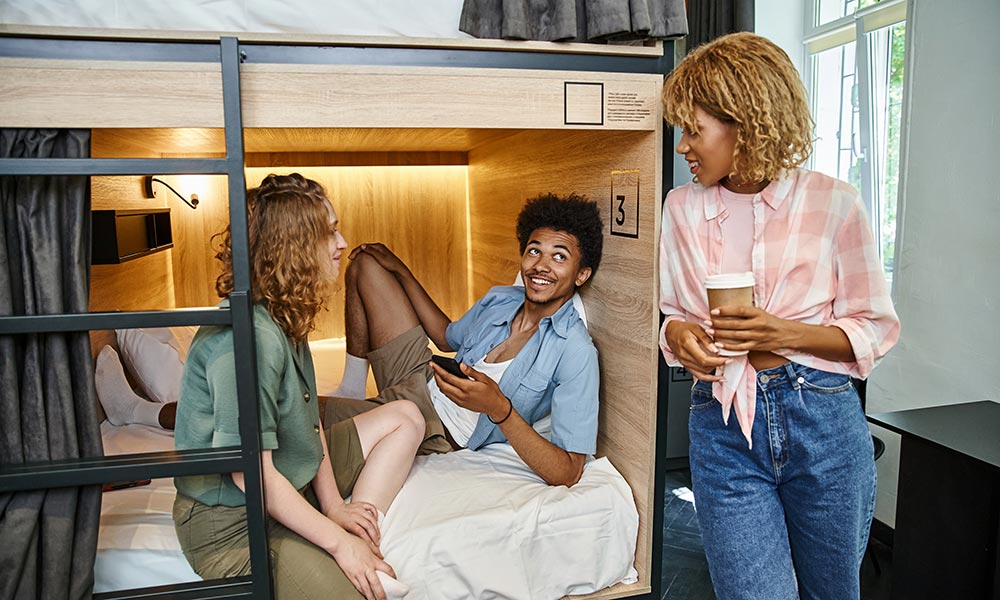
Everyone in the home must be committed to abstinence from drugs and alcohol. Confirm that potential roommates are either in recovery themselves or fully supportive of a substance-free home. In formal sober living homes, this commitment should be built into house rules with clear consequences.
Quality sober housing has explicit written rules covering curfews, guest policies, drug testing, meeting-attendance expectations, shared chores, and rent. Clear rules reduce conflict and help everyone focus on recovery. Watch for red flags like vague rules, inconsistent enforcement, or frequent relapses without consequences.
The National Alliance for Recovery Residences (NARR) has established standards for recovery housing. In New Jersey, check whether a home follows state guidance or is connected to DMHAS resources. Ask about drug testing procedures, relapse policies, staff qualifications, and fire safety compliance.
Consider sleep schedules, work hours, noise tolerance, cleanliness standards, and communication styles. Open communication and boundary-setting are especially important early in co-living.
Consider proximity to meetings, outpatient programs, therapy, work or school, public transportation, and healthy activities like gyms and parks that support your recovery routine.
| Factor | What to Look For | Red Flags |
| Sobriety Commitment | All residents in active recovery; zero tolerance for substances | Vague commitment to sobriety |
| House Rules | Written, clear, consistently enforced | No written rules; inconsistent enforcement |
| Safety & Standards | Licensed/certified if applicable; safe, clean conditions | Fire hazards; overcrowding; poor maintenance |
| Accountability | Regular drug testing; house meetings | No accountability measures |
| Location | Near meetings, work, healthy activities | Triggering neighborhoods; no transportation |
While living with others in recovery, you’ll have the opportunity to support each other. Your fellow roommates will see when someone is having a rough time and check in on them. You’ll be able to maintain a certain level of contact with one another, both for support and to address concerns about a roommate’s warning signs, as well as to provide assistance during tough times or to share in each other’s successes when it comes to reaching certain recovery milestones.
Social model recovery is adopted by peer-run homes to recognize that we learn through observing those with similar challenges. Observation of how roommates deal with stress and engage in healthy routines without using substances, develop coping skills, and balance their recovery with their daily activities. The result is reduced isolation and the replacement of traditional support networks with a sober, supportive community.
A sober-living environment helps develop core skills in daily living by using common resources, maintaining personal accountability, and managing money and time effectively. Research has indicated that when recovery facilities offer these structured environments, clients are more likely to experience improved outcomes regarding drug use and greater levels of successful integration within society.
Early recovery is especially vulnerable to triggers. Sober living homes eliminate the biggest trigger by ensuring that no substances are present in the home environment. Roommates can help you de-escalate when you’re triggered and encourage you to use healthy coping tools.
Initially, you will want to define your needs and budget. Will you be looking for high-structure peer-run housing, or will you need more independence? What is your budget?
Next, you should check out directories and platforms like Sober House Directory and create profiles on MySoberRoommate.com. Take advantage of local treatment and recovery networks by asking your counselor, case manager, or recovery coach for vetted housing leads. You can also attend local recovery meetings to network with others who may know of available houses.
When screening potential homes and roommates, ask about house rules, relapse policies, rental amounts, expected participation, and, if possible, contact current residents for their opinions. Make an initial judgment about the house’s cleanliness, safety, and overall environment by visiting before you commit to anything. You can do this in person or via a video tour. Finally, get written confirmation of the house rules and boundaries by completing a resident agreement or roommate contract.
Having direct conversations and house meetings are helpful tools for resolving conflicts like chores, noise, visitors, or common areas in your household. If a roommate experiences a relapse, follow all house rules, safety protocols, contact the house manager, and keep your focus on maintaining your own safety at all times. Be alert to developing co-dependent relationships and/or creating substitute addictions; continue to establish healthy boundaries, and continue your recovery process.

© 2026 IKON Recovery.
Licensed by the State Department of Healthcare Services, License 2000964. Expiration 11/30/2026
All Rights Reserved. | Privacy Policy | Terms & Conditions