Recovery
Top 5 Energy Healing Techniques for Recovery

Recovery
Energy healing can support addiction recovery by reducing stress, easing withdrawal symptoms, and promoting emotional balance.[1] Techniques like Reiki, acupuncture, and Qigong complement traditional therapies such as CBT and medication-assisted treatment. Here’s a quick overview of the five methods discussed:
Facilities like Ikon Recovery integrate these techniques with evidence-based treatments to provide holistic care. Read on to learn how each method works and how they can enhance recovery.
Energy healing is a group of complementary practices based on the idea that the body has an energy field, called qi, prana, or a “biofield” depending on the tradition, that can be balanced to support health. Reiki, acupuncture, Therapeutic Touch, Pranic Healing, and Qigong are the best-known examples.
Researchers have not been able to measure this energy directly. Where studies show benefits, they are usually in relaxation, stress reduction, sleep, and mood. These are exactly the areas where people in early recovery often struggle. For that reason, energy healing is best used as a support to clinical treatment, not a stand-in for it.
| Technique | How it works | Touch involved? | Typical session | Evidence level* | Often used for |
| Reiki | Practitioner places hands on or near the body to guide energy | Light or none | 30–60 min | Limited, small studies | Relaxation, sleep, emotional release |
| Acupuncture | Thin needles at specific points (ear points are common in addiction care) | Yes (needles) | 20–45 min | Mixed; studied most | Cravings, anxiety, sleep, withdrawal comfort |
| Therapeutic Touch | Hands move just above the body | No | 20–30 min | Limited, mixed | Stress, anxiety, discomfort with touch |
| Pranic Healing | Structured “cleansing and energizing” of the energy field | No | 30–60 min | Very limited | Relaxation, emotional release |
| Qigong | Gentle movement, breathing, and meditation done by you | Self-guided | 15–60 min | Early but promising | Stress, mood, sleep, building routine |
Evidence levels are general summaries. Results vary by study and person.
Quick guide: If you want something active and self-directed, try Qigong. If you want to avoid physical contact, consider Therapeutic Touch. If you want the most-studied option, ask about acupuncture.
Reiki therapy is an energy-based healing method often used in addiction recovery. This gentle practice involves practitioners using their hands to guide energy, aiming to bring balance to the recipient’s body and mind.
During sessions, practitioners focus on addressing energy disruptions tied to trauma and addictive behaviors. The deep relaxation experienced during Reiki provides a safe environment for emotional release and healing.
Reiki helps restore the body’s natural energy flow, which can be disrupted by addiction. It can assist in:
Facilities like Ikon Recovery in Saddle Brook, NJ, incorporate Reiki into their treatment plans alongside standard therapies. This combined approach helps address both short-term and long-term recovery needs by:
“Reiki fosters self-awareness and self-love by helping individuals reconnect with their inner selves.”
Reiki complements recovery by addressing physical, emotional, and energetic challenges. While it’s not a replacement for traditional treatments, studies suggest it enhances the recovery process when used alongside other therapies.[1]
As Reiki promotes balance, other practices like acupuncture can further support the journey to recovery.
Acupuncture, a key practice in traditional Chinese medicine, plays an important role in addiction recovery by addressing both physical and emotional well-being. This ancient technique involves placing thin needles at specific points on the body to support healing and restore balance.
Acupuncture naturally boosts serotonin and dopamine levels, which can help stabilize mood and ease anxiety. These benefits make it an effective, drug-free option for managing emotional challenges that often trigger substance use during recovery.[3]
Dr. Michael O. Smith, founder of the National Acupuncture Detoxification Association (NADA), highlights its role in recovery:
“Acupuncture can be a valuable adjunct to conventional treatment for addiction, helping to reduce withdrawal symptoms and cravings, and promoting overall well-being.”
Substance abuse can disrupt the body’s natural energy flow, known as qi. Acupuncture addresses this by targeting specific areas to restore balance. The “five points” protocol focuses on:
At facilities like Ikon Recovery Center in Saddle Brook, NJ, acupuncture is part of a broader treatment plan that tackles both physical and mental recovery. Research published in the Journal of Substance Abuse Treatment shows that acupuncture significantly lowers anxiety and depression in individuals undergoing addiction treatment [4].
When combined with practices like Reiki or Qigong, acupuncture enhances recovery by addressing both physical symptoms and the body’s energy systems. It helps ease withdrawal symptoms, improves sleep, and supports detoxification, making it an effective tool in addiction treatment.
While acupuncture focuses on balancing the body’s energies, methods like Therapeutic Touch offer a more direct approach to energy interaction.
Therapeutic Touch (TT) is a method of energy healing that uses gentle, intuitive hand movements to help balance the body’s energy fields. Created in the 1970s by Dora Kunz and Dolores Krieger, this practice has become a helpful tool for those navigating addiction recovery.
In TT, practitioners hover their hands just above the body, making it a good option for individuals who may not be comfortable with physical touch, especially in the early stages of recovery. Research shows that TT can lower stress and anxiety levels – two common hurdles during addiction recovery [5]. By offering a hands-off yet calming experience, it allows individuals to work on emotional regulation while respecting their personal boundaries.
Practitioners aim to identify and clear energy blockages, helping restore balance and encourage both physical and emotional well-being. According to the Journal of Pain and Symptom Management, patients who received TT reported better moods and less pain.
When paired with broader treatment plans, like those at Ikon Recovery Center in Saddle Brook, NJ, TT can provide additional support by:
Consistent sessions, often once or twice a week during early recovery, can help sustain these benefits. This regularity is especially helpful during tough periods like withdrawal or emotional adjustment.
While TT emphasizes intuitive movements to balance energy, other methods like Pranic Healing take a more structured approach to cleansing and energizing the body’s energy fields.
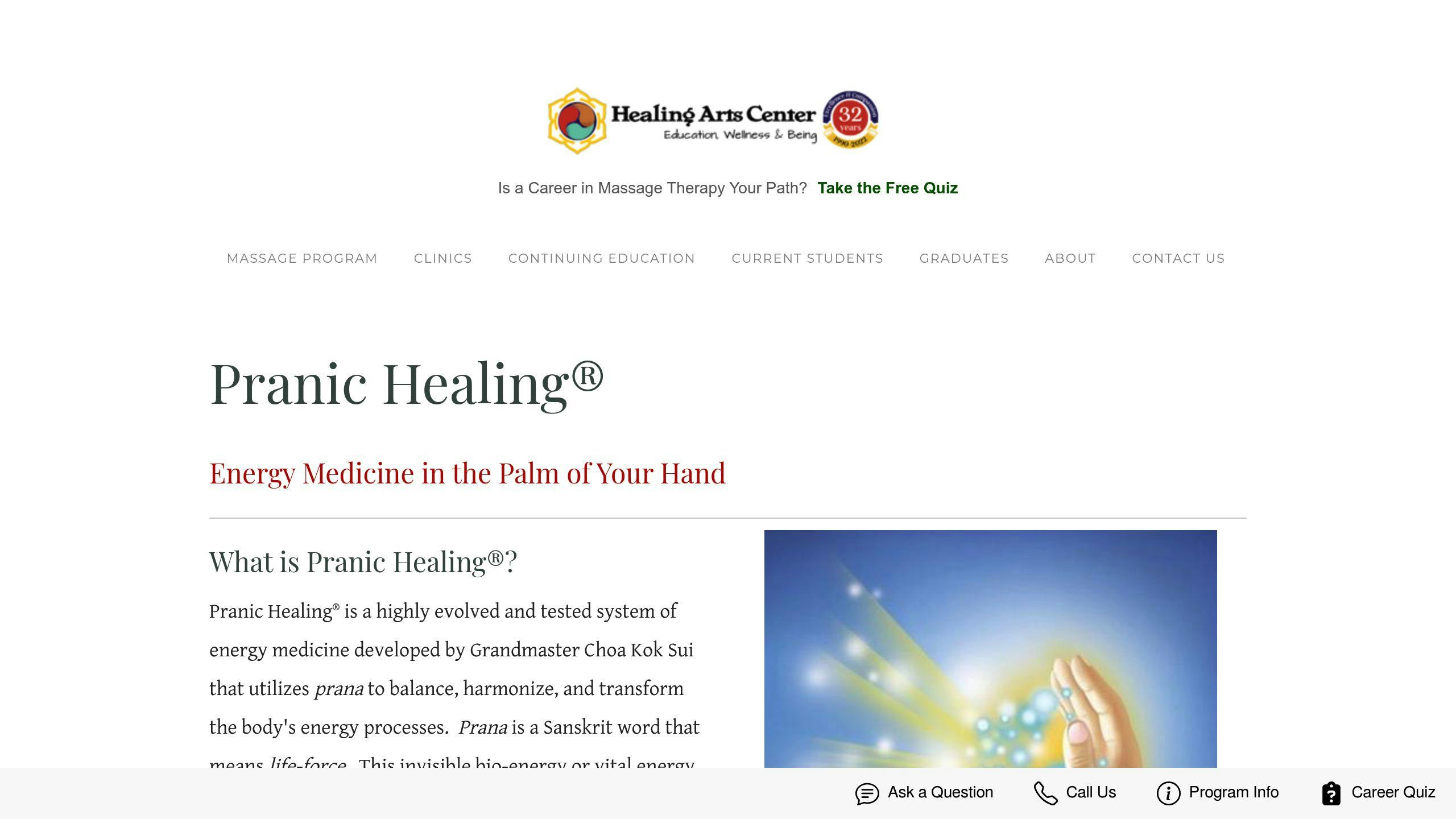
Pranic Healing, created by Grand Master Choa Kok Sui, focuses on restoring balance in the body’s energy centers without physical intervention. This method offers a clear and organized way to address the emotional and physical struggles often faced during addiction recovery.
Pranic Healing uses a step-by-step process to cleanse and recharge the body’s energy fields. Practitioners remove stagnant or blocked energy and replace it with revitalizing prana, helping to restore equilibrium. This approach tackles both temporary energy disruptions and long-term energy deficiencies.
This technique supports physical recovery, sharpens focus, and helps release emotional pain that may be unresolved. By working directly with the body’s energy field, it addresses deep-rooted patterns linked to addiction. Its gentle, non-physical nature makes it a supportive option for individuals in vulnerable recovery stages.
When paired with traditional treatment programs, regular Pranic Healing sessions can enhance recovery efforts. Its structured methods for balancing energy offer a practical way to manage the challenges of recovery while encouraging overall well-being.
While Pranic Healing focuses on restoring energy through specific techniques, Qigong takes a different approach by blending movement and meditation to actively cultivate life force energy.
Qigong is a practice that blends movement, breathing, and meditation to support energy healing. It actively engages individuals in their recovery journey by encouraging mindful movement and focused breathing.
Certain Qigong techniques, such as the Six Healing Sounds and Eight Brocades, are particularly helpful for managing emotional challenges during recovery. Research published in the Journal of Alternative and Complementary Medicine found that Qigong can noticeably reduce anxiety and depression symptoms in people dealing with substance use disorders [6].
Qigong emphasizes cultivating and balancing “qi”, or life energy, through deliberate movements and breathing exercises. This practice helps repair energy systems disrupted by substance use. Its dynamic exercises can improve:
Qigong takes a holistic approach, addressing both physical and mental aspects of recovery. A study published by Frontiers in Psychiatry showed that regular Qigong practice improved sleep quality and lowered stress levels for individuals in recovery [7].
| Recommended Practice | Suggested Duration |
|---|---|
| Static meditation (morning) | 10-15 minutes |
| Movement exercises (midday) | 15-20 minutes |
| Breathing techniques (evening) | 5-10 minutes |
Beginners can start with shorter sessions and gradually extend their practice as they become more comfortable. This flexibility makes Qigong a valuable tool for all stages of recovery, offering long-term support for maintaining progress.
Research on energy healing in addiction recovery is still early. In general:
This is why integrated programs use these practices as optional add-ons, not as the core of treatment.
Energy healing is generally low risk when done by trained providers, but a few precautions apply:
Many treatment centers now combine different approaches to create a well-rounded healing environment.
Recovery centers are integrating energy healing techniques with proven medical treatments. For example, Ikon Recovery Center incorporates methods like Reiki and acupuncture into its programs, alongside therapies such as CBT (Cognitive Behavioral Therapy) and DBT (Dialectical Behavior Therapy). Here’s a breakdown of their approach:
| Treatment Component | Traditional Methods | Energy Healing Techniques |
|---|---|---|
| Mental Health | CBT, DBT Therapy | Therapeutic Touch |
| Physical Wellness | Exercise Therapy | Qigong Classes |
| Emotional Support | Group Counseling | Acupuncture Treatment |
When looking for a facility that integrates energy healing, pay attention to these key factors:
Research supports these integrated approaches. A 2022 study found that adding Reiki therapy to standard treatments improved sleep quality and eased withdrawal symptoms [2].
Many facilities now offer a range of care levels that include energy healing. Ikon Recovery Center, for instance, provides options like partial hospitalization and outpatient programs, all of which feature holistic therapies such as Reiki and acupuncture.
Discuss insurance coverage with treatment providers to understand what’s included. Many centers work with insurance companies or offer sliding scale fees and payment plans, making care more affordable and accessible.
Energy healing can support recovery, but some situations need immediate medical or clinical care:
For free, confidential, 24/7 treatment referrals, call the SAMHSA National Helpline at 1-800-662-4357. To talk with Ikon Recovery Center in Saddle Brook, NJ, about treatment options, call (844) 394-4566.
Energy healing methods such as Reiki, acupuncture, and Qigong can work alongside conventional treatments to help reduce stress, ease withdrawal symptoms, and support emotional well-being. By addressing both physical and emotional needs, they contribute to a more comprehensive recovery process.
These practices encourage individuals to take an active role in their healing journey, offering a sense of empowerment and strength. When combined with proven treatment methods, they add extra support for maintaining overall wellness during recovery. Success often relies on a balanced approach guided by skilled practitioners who can integrate energy healing with traditional therapies.
Reiki, acupuncture, and Qigong not only help build inner strength but also promote lasting recovery. Many treatment centers now recognize the benefits of blending conventional and energy-based therapies to improve outcomes. If you’re seeking additional support, explore centers that offer these integrated approaches to see how energy healing might fit into your recovery plan.

© 2026 IKON Recovery.
Licensed by the State Department of Healthcare Services, License 2000964. Expiration 11/30/2026
All Rights Reserved. | Privacy Policy | Terms & Conditions